
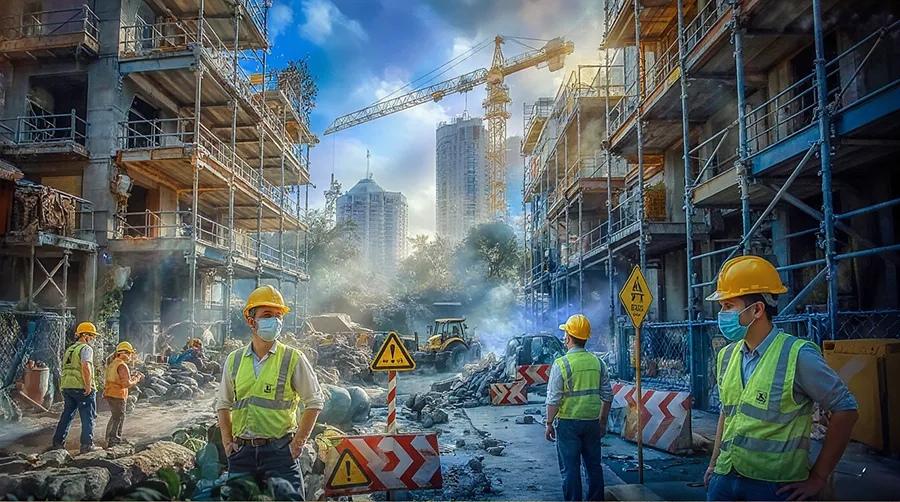
The Australian construction industry is in the midst of a remarkable transformation. Across the country, from the bustling heart of Melbourne to the furthest reaches of the outback, new structures are rising, skylines are being reshaped, and the very fabric of our cities and communities is being woven anew. But this is not just a story of bricks and mortar; it is a story of innovation, sustainability, and the relentless pursuit of excellence. In this dynamic and ever-evolving landscape, one discipline stands out as the cornerstone of success: Construction project management.
Gone are the days when construction was simply about following a blueprint. Today, it is a complex and multifaceted endeavor, a delicate dance of logistics, technology, and human ingenuity. From navigating the labyrinth of regulations to harnessing the power of cutting-edge technologies, the challenges are immense. But so too are the opportunities. In this new era of construction, it is the expert project managers who are leading the charge, turning ambitious visions into tangible realities and shaping the future of Australia’s built environment. This is where a seasoned consultancy firm like Silver Fox Management, with its roots deeply embedded in the Australian construction scene since the 1990s, becomes an invaluable partner.
The Evolving Landscape of Australian Construction
The Australian construction industry is no longer the same beast it was a decade ago. A confluence of factors, from technological disruption to a growing environmental consciousness, has reshaped the industry from the ground up.
Technological Disruption and Innovation
The digital revolution has finally arrived in the construction industry, and its impact is nothing short of transformative. Building Information Modeling (BIM), for instance, has revolutionized the way projects are planned and designed. By creating a detailed 3D model of the project, BIM allows for greater collaboration between architects, engineers, and contractors, leading to fewer errors, reduced rework, and significant cost savings. Drones are also becoming an increasingly common sight on construction sites, used for everything from surveying and mapping to progress monitoring and safety inspections. And then there’s the rise of automation, with robots and other automated systems being used to perform a wide range of tasks, from bricklaying to welding. These technologies are not just making construction more efficient; they are also making it safer and more sustainable.
The Green Revolution: Sustainability in Construction
In an age of growing environmental awareness, sustainability is no longer just a buzzword; it is a business imperative. The construction industry has a significant environmental footprint, and there is a growing demand for buildings that are not only functional and aesthetically pleasing but also environmentally friendly. This has led to a surge in interest in sustainable building practices, such as the use of recycled materials, energy-efficient designs, and renewable energy sources. This is another area where expert Construction project management is crucial. Project managers play a key role in ensuring that sustainability goals are integrated into every stage of the project, from the initial design to the final commissioning.
Data-Driven Decision Making
In the digital age, data is the new oil, and the construction industry is no exception. A vast amount of data is generated on every construction project, from project schedules and budgets to safety records and equipment utilization. In the past, much of this data was either lost or underutilized. But today, thanks to advances in data analytics and machine learning, it is now possible to harness the power of this data to make more informed decisions, improve efficiency, and reduce risks. By analyzing historical data, for example, project managers can identify potential bottlenecks and take proactive steps to avoid them. By monitoring real-time data from sensors and other devices, they can track progress, identify potential safety hazards, and optimize resource allocation.
The Core Pillars of Effective Construction Project Management
While the tools and technologies of construction may be changing, the fundamental principles of effective project management remain the same. These are the core pillars upon which every successful construction project is built.
Strategic Planning and Scheduling
A well-defined plan is the roadmap to a successful construction project. It is the project manager’s job to develop a comprehensive plan that outlines every aspect of the project, from the initial scope of work to the final handover. This includes defining the project goals, identifying the key deliverables, and developing a realistic timeline and budget. A detailed project schedule is also essential for keeping the project on track. This schedule should break down the project into smaller, manageable tasks and assign specific deadlines to each task.
Budgeting and Cost Control
Managing a construction budget is one of the most challenging aspects of project management. There are a million and one things that can go wrong, from unexpected site conditions to fluctuating material costs. It is the project manager’s job to develop a realistic budget and then to monitor and control costs throughout the project. This requires a deep understanding of the construction process, as well as strong negotiation and financial management skills.
Quality and Safety Management
In construction, there is no room for compromise when it comes to quality and safety. It is the project manager’s responsibility to ensure that the project is built to the highest standards of quality and that all safety regulations are strictly adhered to. This involves implementing a rigorous quality control program, conducting regular safety inspections, and providing ongoing safety training to all workers on site.
Why Experience Matters: The Silver Fox Management Advantage
In the complex and ever-changing world of construction, there is no substitute for experience. With a history stretching back to the 1990s, Silver Fox Management has a deep understanding of the Australian construction industry. They have a proven track record of successfully delivering a wide range of projects, from large-scale commercial developments to complex infrastructure projects.
What sets Silver Fox Management apart is their forward-thinking approach to Construction project management. They are not afraid to embrace new technologies and are constantly looking for innovative ways to improve efficiency and deliver better outcomes for their clients. They understand that the future of construction is not just about building bigger and faster; it is about building smarter.
But perhaps the most important thing that Silver Fox Management brings to the table is their commitment to their clients. They understand that every project is unique, and they take the time to understand their clients’ needs and goals. They work collaboratively with their clients to develop customized solutions that are tailored to their specific requirements. This client-centric approach, combined with their deep industry expertise, is what makes Silver Fox Management a trusted partner for some of Australia’s leading construction companies. Furthermore, they are committed to nurturing the next generation of construction professionals, ensuring a legacy of excellence and innovation.
The Future of Construction Project Management
The construction industry is on the cusp of a new era, and the role of the project manager is evolving along with it. The project managers of the future will need to be more than just good planners and schedulers; they will need to be strategic thinkers, technology evangelists, and inspirational leaders.
The Rise of the “Smart” Project Manager
The “smart” project manager is a new breed of construction professional who is comfortable with technology and data. They are able to harness the power of digital tools to improve efficiency, reduce risks, and deliver better project outcomes. But they are also skilled communicators and collaborators, able to build strong relationships with clients, contractors, and other stakeholders. They are adaptable, resilient, and able to thrive in a fast-paced and ever-changing environment.
AI and Machine Learning in Project Management
Artificial intelligence (AI) and machine learning are poised to revolutionize Construction project management in the years to come. These technologies have the potential to automate a wide range of tasks, from scheduling and resource allocation to risk assessment and progress monitoring. For example, AI-powered algorithms could be used to analyze historical data to identify potential risks and develop mitigation strategies. Machine learning could be used to optimize project schedules and allocate resources more efficiently. While these technologies are still in their early stages of development, they have the potential to make construction safer, more efficient, and more sustainable.
Conclusion
The Australian construction industry is entering a new golden age, an era of unprecedented innovation and opportunity. But to succeed in this new landscape, construction companies will need to embrace new technologies, adopt more sustainable practices, and, most importantly, invest in expert project management.
The future of construction is not just about building structures; it is about building a better future for all Australians. And it is the expert project managers who will be at the forefront of this transformation, leading the way to a smarter, more sustainable, and more prosperous future. If you are looking for a partner to help you navigate the complexities of modern construction and turn your vision into a reality, then look no further than Silver Fox Management. Their experience, expertise, and forward-thinking approach make them the ideal choice for any construction project, big or small.