
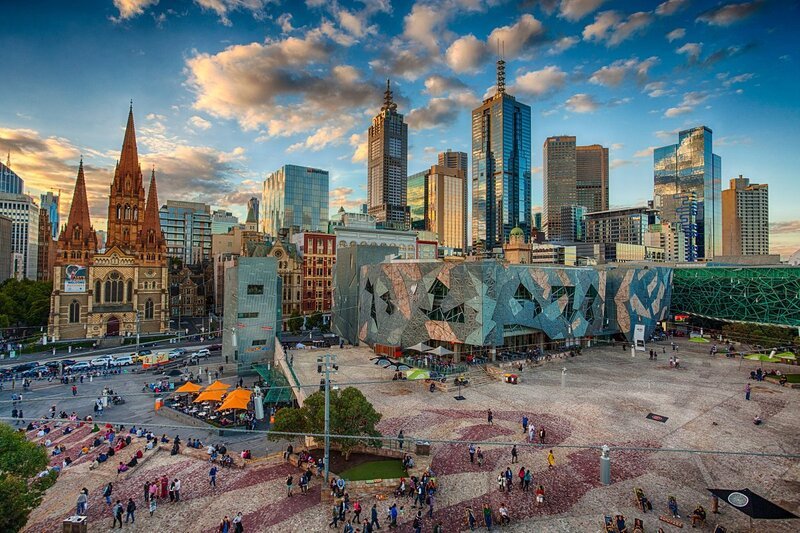
The Australian skyline is a dynamic, living narrative of the nation’s economic ambition, cultural evolution, and unparalleled engineering prowess. From the heritage-laden, bustling streets of Melbourne’s inner suburbs to the expansive, burgeoning growth corridors reshaping regional Victoria, New South Wales, and Western Australia, the physical fabric of the country is in a state of constant, rapid metamorphosis. However, this phenomenal physical evolution brings with it an unprecedented array of complexities. Managing commercial, residential, and industrial infrastructure projects in this fast-paced, high-stakes climate requires far more than just financial capital and visionary architecture. It demands an intricate understanding of local markets, a highly strategic approach to resource allocation, and a commitment to unwavering quality control from the moment a project is conceptualized until the final keys are handed over. To navigate these turbulent waters successfully, the integration of expert construction project management is no longer a luxury; it is an absolute necessity for developers and investors aiming to leave a lasting, profitable legacy.
In this highly comprehensive, deep-dive guide, we will explore the multifaceted nature of Australia’s modern construction and infrastructure sector. We will dissect the primary challenges facing developers today and outline the structural strategies required to overcome these hurdles.
The Evolution of the Australian Urban Landscape
To fully appreciate the current state of the Australian construction sector, one must look at the historical context that has shaped modern development and the sheer scale of the projects currently underway.
The Shift Towards Urban Densification
Decades ago, Australian urban centers were heavily localized, with clear delineations between commercial business districts and sprawling residential suburbs. Today, those traditional lines have permanently blurred. Driven by sustained population growth and the critical need to maximize land utility, urban densification has become the primary strategy for city planners. Mixed-use developments, towering residential skyscrapers, and heavily integrated transit hubs are now the absolute norm. Building in these high-density areas introduces severe logistical constraints. Developers must execute deep excavations for multi-level basements in tightly constrained environments, requiring meticulous traffic management, noise mitigation strategies, and hyper-precise scheduling to avoid disrupting the surrounding urban ecosystem.
The Expansion into Regional Corridors
Simultaneously, government-backed infrastructure mega-projects are fundamentally designed to connect regional hubs with major metropolitan areas. Initiatives such as inland rail networks, major highway expansions, and metropolitan tunnel projects have completely reshaped the economic opportunities within regions like Western Sydney and regional Victoria. As cities expand outwards into these previously undeveloped territories, developers are tasked with building entirely new communities from the ground up. This involves integrating essential services, vast retail spaces, and sustainable living environments into master-planned communities. This monumental scale of development requires an architectural and administrative backbone that is both structurally resilient and endlessly adaptable to future demographic shifts.
The Economic Pressures Shaping the Industry
The foundation of this nationwide construction boom is a robust combination of public and private sector investment. However, while capital may be actively flowing into the sector, the economic environment is fraught with hidden challenges that constantly threaten project viability and investor returns.
Combating Supply Chain Volatility and Material Costs
The global supply chain disruptions experienced in recent years have left a profound and lasting impact on the Australian built environment. The industry continues to grapple with localized shortages of essential building materials, including structural timber, specialized structural steel, raw cement, and high-tech electrical components. Consequently, material costs have experienced unprecedented volatility, severely impacting initial project budgets and complex feasibility calculations.
To navigate this highly unpredictable landscape, modern procurement strategies must be incredibly agile. Developers can no longer rely on traditional just-in-time delivery models. Instead, they must forward-order critical materials months in advance, aggressively diversify their supplier networks across different geographic regions, and negotiate highly flexible contracts that can accommodate sudden market fluctuations. Advanced logistical planning is also necessary to ensure that materials are stored safely and efficiently on-site, minimizing the risk of weather damage, degradation, or theft.
Financial Oversight and Protecting Margins
In a macroeconomic climate characterized by tightened lending criteria and sustained high interest rates, financial scrutiny from private investors and institutional lending bodies is at an all-time high. Stakeholders demand meticulous financial planning, transparent real-time reporting, and rigorous cost-tracking mechanisms throughout the entire lifecycle of a build. Comprehensive financial oversight ensures that every single dollar spent is accurately accounted for, scope variations are strictly controlled and justified, and value engineering is applied strategically to reduce overall costs without ever compromising the structural integrity or aesthetic value of the final physical asset.
The Labyrinth of Regulatory Compliance
One of the most formidable and time-consuming challenges in the Australian construction industry is navigating the incredibly complex web of regulatory frameworks and statutory compliance standards. The legal landscape governing the built environment is vast, stringent, and subject to constant legislative updates.
Navigating the National Construction Code (NCC)
The National Construction Code (NCC) sets the absolute minimum standard for safety, health, amenity, and sustainability in the design and construction of new buildings throughout all states and territories in Australia. Recent updates to the NCC have introduced even stricter, highly technical requirements regarding energy efficiency, disability accessibility, and advanced fire safety systems. Ensuring complete compliance with these evolving codes requires a proactive, highly educated approach from the very beginning of the schematic design phase, heavily involving specialized building surveyors and certifiers.
Local Heritage and Environmental Overlays
Beyond the national code, developers must carefully navigate a labyrinth of local municipal council zoning laws, state-based environmental protection regulations, and fiercely guarded heritage conservation overlays. In heritage-rich cities like Melbourne and Sydney, integrating modern, high-density developments into historically significant sites requires a delicate, highly technical, and deeply respectful approach. Failure to adhere to these strict localized regulations can result in severe, business-crippling consequences, ranging from costly project delays and hefty financial penalties to irreparable reputational damage and protracted legal disputes in planning tribunals.
Strategic Risk Mitigation in a Volatile Market
Risk is an inherent, inescapable component of any large-scale infrastructure or commercial construction project. From unforeseen geotechnical issues discovered deep underground during initial excavation to sudden changes in government zoning policy, fluctuating interest rates, and extreme weather events that halt site operations, the variables that can completely derail a project are practically endless.
Identifying and Quantifying Variables
Effective risk management is not about the impossible task of eliminating risk entirely. Rather, it is about identifying potential vulnerabilities at the earliest possible stage, accurately quantifying their potential financial and temporal impact, and developing robust, actionable contingency plans. This requires a deeply analytical approach, utilizing historical project data, current market analysis, and advanced forecasting techniques to see beyond the immediate horizon.
Contingency Planning and Execution
When unforeseen challenges inevitably arise on a construction site, the speed and efficacy of the response dictate the ultimate success or failure of the project. This is exactly where the strategic application of expert construction project management proves invaluable. Seasoned professionals provide the critical foresight required to navigate sudden roadblocks. They evaluate the viability of alternative construction methodologies, stress-test financial budgets against sudden market inflation, and implement stringent protocols that protect both the on-site workforce and the financial bottom line. Through this proactive problem-solving approach, potential disasters are neutralized before they have the opportunity to escalate into critical project failures.
The Imperative of Sustainable Development
Sustainability is no longer a niche concept or an optional, “nice-to-have” add-on designed to generate positive public relations. It is a fundamental, non-negotiable imperative in the modern Australian construction sector. With a rapidly growing global awareness of climate change, resource depletion, and ecological degradation, there is an industry-wide mandate to adopt carbon-neutral construction methodologies and highly energy-efficient building designs.
Achieving Green Star and NABERS Certifications
Forward-thinking developers are increasingly targeting exceptional ratings from recognized environmental certification bodies, such as the Green Star rating system managed by the Green Building Council of Australia, and NABERS (National Australian Built Environment Rating System). Achieving these prestigious, highly sought-after certifications requires a holistic, deeply integrated approach to sustainability from day one. It encompasses everything from the initial sourcing of eco-friendly, low-emission building materials to the implementation of smart building technologies that autonomously optimize energy consumption, water usage, and waste management once the building is fully operational.
Integrating Eco-Friendly Technologies
Transitioning to genuinely sustainable building practices often introduces entirely new complexities into the design, procurement, and construction phases. Sourcing innovative green materials, integrating complex commercial HVAC systems, installing expansive solar arrays, and implementing high-capacity greywater recycling systems require a highly specialized skill set. Professional oversight ensures that these critical sustainability goals are not quietly sacrificed during cost-cutting exercises, guaranteeing that contractors strictly adhere to environmental management plans on-site, thereby preventing ecological damage and minimizing the project’s overall carbon footprint.
The Digital Revolution in Construction
The construction industry, historically known for its slow adoption of new technologies and heavy reliance on traditional, paper-based methodologies, is currently undergoing a massive, highly disruptive digital transformation. To remain competitive and maximize on-site efficiency, developers must fully embrace the technological revolution sweeping across the global built environment.
Building Information Modeling (BIM)
Building Information Modeling (BIM) has fundamentally revolutionized the way complex infrastructure projects are designed, visualized, and executed. By creating highly detailed, multi-dimensional digital representations of a building’s physical and functional characteristics, BIM allows architects, structural engineers, and builders to proactively detect spatial clashes and resolve critical design conflicts in the virtual realm long before physical construction begins. This intelligent foresight significantly reduces costly physical rework, dramatically lowers material waste, and accelerates the overall construction timeline.
AI, Drones, and Real-Time Tracking
Beyond the profound impacts of BIM, the rapid integration of artificial intelligence (AI), machine learning algorithms, and advanced drone technology is completely reshaping day-to-day on-site operations. Commercial drones provide real-time, high-resolution aerial surveys and precise progress tracking, allowing stakeholders to monitor development remotely with unparalleled accuracy. Meanwhile, AI-powered project management software can actively analyze massive historical datasets to predict potential supply chain delays, dynamically optimize construction scheduling, and substantially enhance worker safety protocols by identifying hazard patterns.
The Human Element: Addressing the Skills Shortage
Alongside ongoing supply chain volatility and tightening economic pressures, the Australian construction sector is currently facing a critical, systemic shortage of skilled labor. From highly specialized tradespeople and heavy machinery operators to experienced site managers, commercial contract administrators, and structural engineers, the demand for qualified professionals far outstrips the available domestic supply across all states.
Retaining Top-Tier Talent
This severe talent deficit poses a significant, ongoing threat to project timelines, build quality, and site safety. Addressing this challenge requires a deeply strategic approach to human resource management and subcontractor procurement. Developers must actively foster stronger partnerships with top-tier contracting firms to secure labor well in advance of the project commencement date.
Streamlining Workflows and Site Culture
In the immediate term, project leaders must focus relentlessly on maximizing the efficiency of their existing workforce. This involves streamlining site workflows, aggressively minimizing operational downtime, and heavily utilizing prefabrication and modular construction techniques where appropriate to drastically reduce the sheer volume of on-site labor required. Furthermore, fostering a positive, exceptionally safe, and highly collaborative site culture is absolutely essential for attracting and retaining the best subcontractors in a fiercely competitive, candidate-driven labor market.
Uncompromising Quality Assurance (QA/QC)
In the relentless, high-pressure rush to meet tight delivery deadlines and maintain strict budget constraints, there is often a dangerous, creeping temptation to cut corners on the construction site. However, in the built environment, compromised quality can lead to catastrophic, entirely irreversible consequences. Structural failures, non-compliant fire safety systems, insidious water ingress, and significant building defects not only endanger the lives of future occupants but also inevitably lead to protracted legal battles, immense financial rectification costs, and irreparable damage to a developer’s brand reputation in the market.
Setting Measurable Benchmarks
Establishing highly rigorous Quality Assurance and Quality Control (QA/QC) frameworks is completely non-negotiable. This vital process involves setting clear, universally understood, and highly measurable quality benchmarks at the absolute outset of a project. It requires implementing a strict schedule of systematic inspections at every critical construction milestone, ensuring a meticulous, ongoing review of all building materials before they are permanently installed.
Independent Site Audits
Robust quality control is the ultimate safeguard for any major development. Implementing expert construction project management provides the critical layer of independent accountability required to ensure that builders, suppliers, and specialized subcontractors consistently deliver work to the highest possible standard. Independent professionals on-site act as the ultimate guardians of project quality, conducting exhaustive site audits, coordinating independent structural and materials testing, and ensuring that any defective or non-compliant work is immediately identified, documented, and fully rectified before any subsequent construction phases are legally allowed to commence.
Prioritizing Work Health and Safety (WHS)
The construction industry remains one of the highest-risk sectors for workplace injuries and fatalities in Australia. A singular, aggressive focus on rapid project delivery must never, under any circumstances, eclipse the absolute paramount importance of Work Health and Safety (WHS).
Navigating the immense complexities of Australia’s strict WHS legislation requires dedicated, uncompromising expertise. A comprehensive safety strategy involves rigorous, mandatory site inductions, highly detailed daily pre-start meetings, regular unannounced safety audits, and a strict zero-tolerance policy for any safety breaches. By cultivating a proactive, transparent safety culture where absolutely every worker feels empowered to report hazards without fear of reprisal, project leaders can significantly reduce the risk of incidents. A safe site is inherently an efficient site; minimizing accidents not only protects human life—which is the ultimate priority—but also prevents the devastating, prolonged work stoppages and intensive legal investigations that inevitably follow serious site incidents.
Future-Proofing Australia’s Infrastructure
As we look toward the horizon, the demands placed upon the Australian built environment will only continue to become more complex and demanding. Global climate change will absolutely necessitate the construction of increasingly resilient urban infrastructure capable of withstanding extreme, highly unpredictable weather events, from unprecedented flooding to severe heatwaves. The ongoing global push toward a sustainable circular economy will force the construction industry to fundamentally rethink how building materials are sourced, utilized, recycled, and repurposed at the ultimate end of a building’s functional lifecycle.
Furthermore, the rapid, unstoppable integration of smart city technologies will require all new commercial and residential buildings to be highly connected, data-driven entities, functioning as active, intelligent participants in the broader urban energy and communications grid. Developers and investors who wish to remain at the absolute forefront of the industry must be exceptionally forward-thinking. They must aggressively design buildings and infrastructure not just for the immediate needs of today’s market, but for the vastly different, highly demanding anticipated requirements of 2050 and beyond. This requires investing heavily in highly adaptable architectural designs, embracing cutting-edge green technologies, and committing to continuous, relentless innovation within their project delivery and operational models.
Conclusion
The Australian built environment is a thrilling, highly dynamic, and deeply complex sector that offers immense financial and legacy rewards for those who possess the capability to navigate its myriad challenges with profound skill, strategic foresight, and unwavering precision. From successfully overcoming global supply chain shortages and expertly managing escalating material costs to championing sustainable, green building practices and seamlessly integrating the absolute latest technological advancements, the modern developer faces a daily, high-stakes gauntlet of operational challenges.
However, with the right structural strategies, rigorous planning, and professional guidance firmly in place, these formidable challenges can be seamlessly transformed into extraordinary opportunities for market innovation and enduring architectural excellence. The absolute key to unlocking this vast potential lies in meticulous, data-driven pre-construction planning, highly proactive risk management, and uncompromising, independent quality control at every single stage of the build. The modern Australian skyline is no place for guesswork, unchecked risk, or misaligned stakeholder objectives. Investing in expert construction project management is not just an operational decision; it is the ultimate, non-negotiable safeguard for your capital investment, your project timeline, and your long-term industry reputation. By leveraging the strategic insights, rigorous oversight, and deep industry knowledge of dedicated professionals, developers can confidently navigate the complexities of the Australian skyline, leaving behind a profound, celebrated legacy of structural resilience, environmental sustainability, and unparalleled commercial success.