
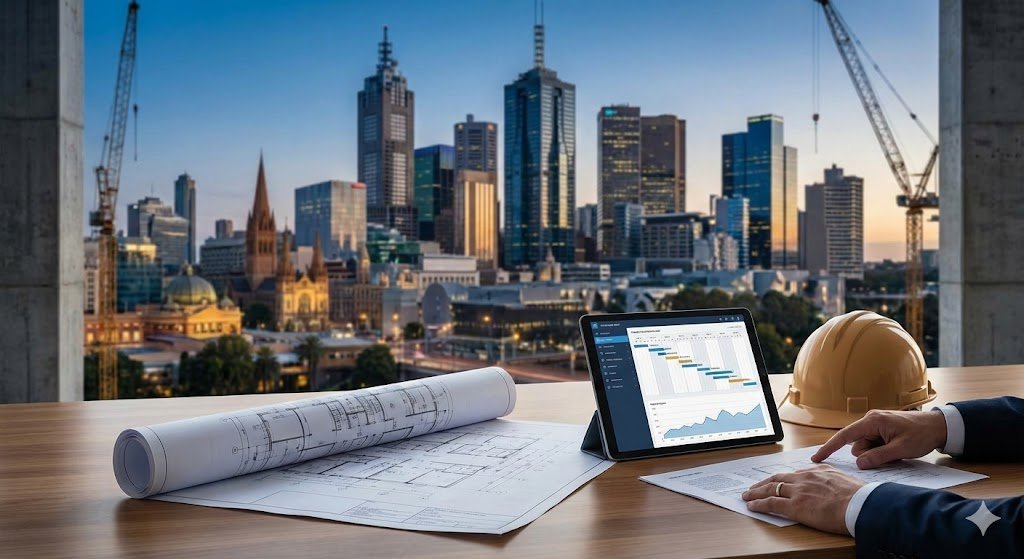
The Australian skyline is more than just a silhouette of steel, glass, and concrete against the horizon; it is a dynamic narrative of the nation’s economic ambition and engineering capability. From the heritage-laden streets of Melbourne’s inner suburbs to the burgeoning growth corridors reshaping Western Sydney and the resource-rich hubs of Western Australia, the physical fabric of the country is in a constant state of evolution. However, the path from a visionary architectural blueprint to a tangible, functioning structure is rarely a straight line. It is a complex journey fraught with logistical hurdles, regulatory labyrinths, and financial risks.
In an era where construction projects are becoming increasingly mega-scale and multi-faceted, the “build it and they will come” philosophy is no longer sufficient. Today’s developers and stakeholders face a unique set of challenges: fluctuating material costs, stringent environmental standards, and a labor market that is constantly shifting. To navigate this volatile landscape, the industry is turning away from traditional ad-hoc management styles and embracing a more disciplined, strategic approach. This is where the value of high-level oversight becomes undeniable. It is not merely about managing a timeline; it is about orchestrating a symphony of trades, technologies, and stakeholders to deliver a result that stands the test of time.
The Evolving Landscape of Australian Infrastructure
Australia is currently undergoing a metamorphosis of unprecedented scale. The demand for modern infrastructure—ranging from commercial high-rises to essential public transport networks—is at an all-time high. This boom is driven by population growth, urbanization, and a post-pandemic shift in how we utilize work and living spaces. However, with increased demand comes increased pressure. The sheer velocity of development in cities like Melbourne and Brisbane means that there is zero margin for error. A delay of a few weeks can translate into millions of dollars in lost revenue and blown budgets.
Furthermore, the complexity of modern builds has skyrocketed. We are no longer simply stacking bricks; we are integrating smart building technologies, sustainable energy systems, and complex geotechnical engineering solutions into every project. This technical density requires a management layer that understands not just the “how” of construction, but the “why” and “when.” Without a centralized strategic brain guiding the project, disparate teams—architects, engineers, contractors, and sub-contractors—can easily fall out of sync. This misalignment is the primary cause of the “budget blowouts” and “timeline extensions” that plague the industry news cycles.
To thrive in this environment, stakeholders must recognize that successful construction is an exercise in risk management as much as it is in engineering. The ability to foresee potential bottlenecks before they occur, to negotiate complex council approvals, and to pivot strategies in the face of supply chain disruptions is what separates successful developments from stalled sites. This level of foresight is rarely found in general project coordination; it requires the specialized focus of expert construction consultancy to ensure that every gear in the machine is turning in the right direction.
The Hidden Risks in Major Development Projects
When we look at a finished building, we rarely see the crises that were averted during its creation. However, for those in the trenches of the industry, the risks are palpable every day. One of the most significant threats to modern construction projects is the fragmentation of communication. In a typical large-scale project, there may be dozens of separate entities working simultaneously. If the structural engineer is not perfectly aligned with the HVAC installers, or if the interior fit-out team is scheduled before the glazing is complete, the result is chaos.
These “clashes” are not just logistical annoyances; they are financial black holes. Rework is one of the most expensive line items in construction. tearing down a wall because the electrical rough-in was missed, or re-ordering steel because the initial specifications were outdated, eats directly into the developer’s profit margin. Moreover, there is the risk of regulatory non-compliance. Australia has some of the strictest building codes in the world, designed to ensure safety and sustainability. Navigating the National Construction Code (NCC) and local planning schemes requires a depth of knowledge that goes beyond general contracting.
Legal and contractual risks also loom large. Disputes over variations, extensions of time, and defect liability periods are commonplace. Without a robust contract administration framework, developers can find themselves embroiled in costly litigation that stalls the project indefinitely. This is where the difference between a project manager and a strategic partner becomes clear. A strategic partner anticipates these legal pitfalls and ensures that contracts are administered fairly and rigorously, protecting the principal’s interests while maintaining healthy relationships with contractors.
The Role of Strategic Oversight in Mitigating Failure
The antidote to these risks is not just “working harder,” but working smarter through professional oversight. This involves a holistic approach where the management team acts as the single point of truth for the project. They bridge the gap between the client’s commercial objectives and the technical realities of the site. By implementing rigorous reporting structures, cost planning, and quality assurance protocols, they create a safety net that catches issues while they are still minor.
A key component of this oversight is financial stewardship. In the current economic climate, where the cost of raw materials like timber and steel fluctuates wildly, rigid budgets are a recipe for failure. Professional management involves dynamic cost control—constantly forecasting final costs against the budget and making adjustments in real-time. It involves value engineering, not to cut corners, but to find smarter ways to achieve the design intent without unnecessary expenditure.
This level of detailed financial and operational scrutiny is the hallmark of expert construction consultancy, providing investors and developers with the confidence that their capital is being deployed efficiently. It transforms the construction process from a black box of uncertainty into a transparent, predictable operation. Through regular site audits, progress payments certification, and strict program monitoring, the oversight team ensures that what is being paid for is exactly what is being delivered, to the standard required.
Bridging the Gap Between Design and Execution
There is often a friction point in construction known as the “design-construct gap.” Architects are visionaries, focused on aesthetics, flow, and the human experience of space. Builders are pragmatists, focused on constructability, durability, and speed. Often, a design that looks breathtaking on a CAD rendering is nightmare to build in reality. Without an intermediary to translate between these two worlds, projects can suffer from “design dilution,” where the original vision is compromised to make construction easier, or conversely, “constructability failure,” where the design is forced through at great expense and delay.
Professional management serves as the diplomat in this relationship. By getting involved early in the design phase—often referred to as Early Contractor Involvement (ECI) or pre-construction planning—managers can advise on the buildability of design features. They can suggest alternative materials that look the same but are easier to source, or propose structural changes that reduce the construction timeline without altering the aesthetic.
This collaborative approach ensures that the “intent” of the design is preserved while respecting the constraints of the budget and the site. It fosters a culture of problem-solving rather than finger-pointing. When the architect and the builder view each other as partners rather than adversaries, the project flourishes. Facilitating this partnership is a core function of expert construction consultancy, ensuring that the creative vision is grounded in construction reality, resulting in a building that is both beautiful and viable.
Sustainability and Future-Proofing Urban Spaces
Modern construction is no longer just about the immediate build; it is about the lifecycle of the asset. The Australian property market is increasingly valuing sustainability, not just as a moral imperative, but as a commercial necessity. Tenants and buyers are demanding Green Star ratings, energy efficiency, and low-carbon footprints. Furthermore, institutional investors are looking at Environmental, Social, and Governance (ESG) criteria before funding developments.
Integrating sustainability into a project adds another layer of complexity. It requires specialized knowledge of thermal performance, waste management plans, and renewable energy integration. It involves sourcing materials that have a transparent chain of custody and ensuring that the construction process itself minimizes environmental impact.
Professional oversight ensures that these sustainability goals are not just “greenwashing” marketing terms, but are embedded into the project’s DNA. This might involve managing the certification process for ratings like NABERS or Green Star, or overseeing the commissioning of complex building management systems (BMS) to ensure they actually run efficiently. Future-proofing also means considering the adaptability of the building. Can this office space be easily converted into residential units if the market shifts? Is the infrastructure robust enough to handle the electrical loads of future technology? Answering these questions requires a forward-thinking mindset that looks years beyond the handover date.
The Human Element: Leadership in Construction
Amidst the talk of concrete, contracts, and cash flow, it is easy to forget that construction is fundamentally a human endeavor. It relies on the sweat, skill, and decision-making of hundreds of individuals. A toxic site culture, characterized by mistrust, aggressive payments, and poor safety standards, invariably leads to poor quality outcomes. Conversely, a site culture built on respect, safety, and clear communication leads to high productivity and pride in workmanship.
The management team sets the tone for the entire project. Professional consultants bring a level of emotional intelligence and leadership to the table. They act as the “honest broker” in disputes, de-escalating tensions before they become legal battles. They champion safety, not just as a box-ticking exercise, but as a core value, ensuring that every worker goes home safely at the end of the day.
This leadership extends to stakeholder management as well. Large projects often impact the surrounding community, dealing with noise complaints, traffic disruption, and local council concerns. A professional management team handles these external interfaces proactively, maintaining the project’s social license to operate. By managing the expectations of neighbors, councils, and future tenants, they pave the way for a smooth transition from construction site to occupied building.
Why Going It Alone is a Gamble
For some developers, particularly those new to the game or those working on smaller commercial projects, there is a temptation to minimize “soft costs” by handling project management internally or relying solely on the head contractor to manage themselves. This is a false economy. The cost of independent oversight is a fraction of the cost of a major variation or a legal dispute.
Without an independent advocate, the developer is at an information disadvantage. They rely on the builder’s word regarding progress and costs. While most builders are honest, their primary incentive is to protect their own margin, not the developer’s. An independent consultant balances this equation, ensuring that claims are verified and that the developer is getting fair value.
In the complex regulatory environment of Australia—with its specific requirements around security of payment, occupational health and safety, and planning approvals—the “DIY” approach is fraught with liability. The specialized knowledge required to navigate these waters is not something that can be picked up on the fly. It is the result of years of industry experience and continuous professional development.
Conclusion: The Architecture of Success
The built environment of Australia is a testament to the nation’s resilience and vision. As we look toward the future, the projects we undertake will only become more ambitious and more complex. From high-density urban renewal in Melbourne to critical infrastructure in regional Australia, the demands on the construction industry are intensifying. In this high-stakes arena, the difference between a landmark success and a costly failure often comes down to the quality of the management.
Success is not an accident. It is designed, planned, and managed. It requires a steady hand to steer the ship through the inevitable storms of construction. It requires the ability to balance the competing demands of time, cost, and quality without compromising on safety or sustainability.
Engaging expert construction consultancy is an investment in certainty. It provides the strategic backbone that supports the entire project lifecycle, from the first sketch to the final handover. For developers and investors who are serious about leaving a lasting mark on the Australian skyline, professional oversight is not an optional extra; it is the foundation upon which true success is built. By embracing this expertise, we ensure that our built environment continues to serve our communities, drive our economy, and inspire future generations.